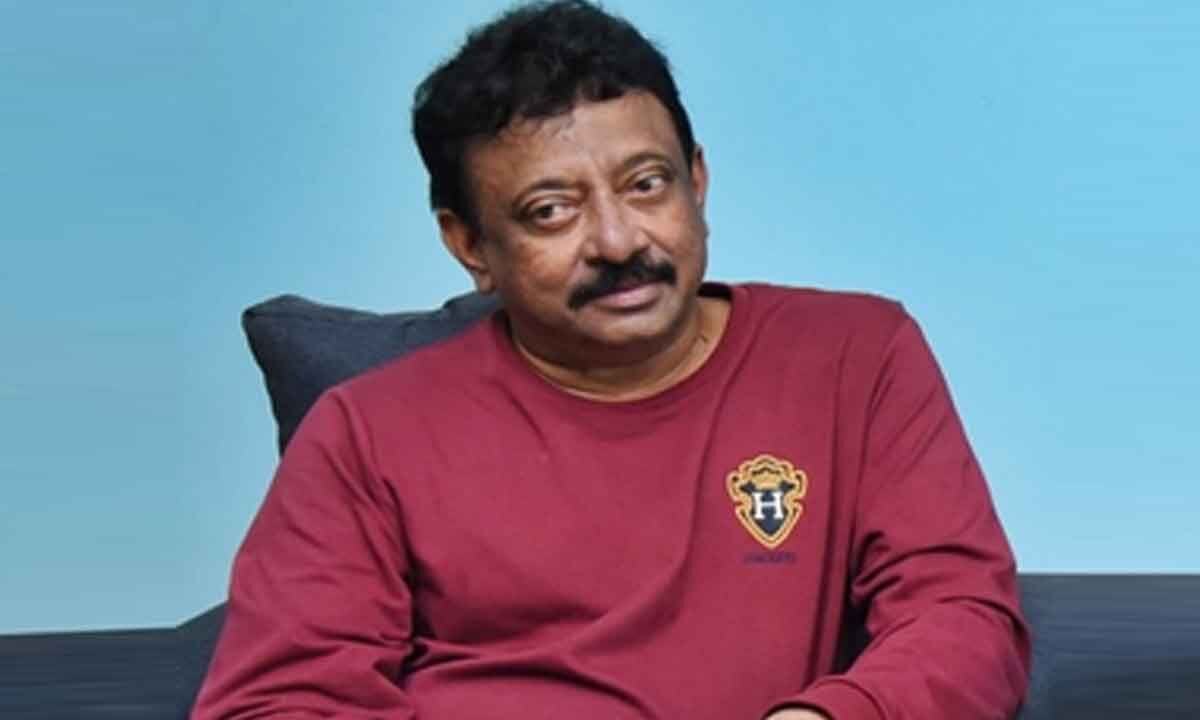
Ram Gopal Varma's Controversial Political Opinions Explored: A Maverick's Unfiltered Stance
Ram Gopal Varma, often abbreviated as RGV, is a name synonymous with disruption, not just in Indian cinema but increasingly in the realm of political commentary. Far from confining himself to filmmaking, RGV has carved out a unique, often incendiary, space as a public intellectual whose unfiltered ram gopal varma opinion reverberates across social media and traditional media alike. His recent political engagements and the subsequent reactions have once again brought him into the spotlight, illustrating the volatile nature of celebrity endorsement and critique in the political arena.
RGV's journey from an acclaimed director to a polarizing political commentator is a fascinating study in public persona. He doesn't shy away from controversy; in fact, he seems to thrive on it. This article delves deep into his specific political stances, the reasons behind them, the courage he displayed in supporting his chosen side, and the dramatic aftermath of the recent electoral outcomes.
The Unapologetic Critic: RGV's Stance Against TDP and Pawan Kalyan
For a significant period leading up to the recent elections, Ram Gopal Varma was a relentless and vocal critic of key opposition figures in Andhra Pradesh. His targets were clear: Telugu Desam Party (TDP) chief Nara Chandrababu Naidu, his son Nara Lokesh, and Jana Sena Party (JSP) leader Pawan Kalyan. RGV's method of critique was anything but subtle; it was a potent mix of mockery, satire, and direct cinematic portrayal.
He didn't just limit his commentary to social media posts. RGV leveraged his primary medium – filmmaking – to deliver sharp, often unflattering, characterizations of these leaders. Pawan Kalyan, a popular actor and politician, found himself depicted as a "confused individual" in RGV's narratives. Nara Lokesh, on the other hand, was famously ridiculed as "Pappu" – a derogatory term often used in Indian politics to denote a perceived lack of intelligence or leadership acumen. These cinematic portrayals were powerful, designed to shape public perception and undermine the credibility of his political adversaries.
Beyond the silver screen, RGV's social media channels became a battleground for his political views. He relentlessly ridiculed Naidu, Kalyan, and Lokesh, often seizing every opportunity to post taunting comments, memes, and critical analyses of their political moves. For five years, this strategy appeared to grant him a certain degree of enjoyment and influence, as his posts garnered significant attention, fueling debates and divisions.
However, the political landscape is notoriously unpredictable. Following the recent electoral victories of Pawan Kalyan, Chandrababu Naidu, and Lokesh, the tables have dramatically turned. The very individuals RGV relentlessly mocked have emerged triumphant, leading to what many perceive as a significant "loss of face" for the filmmaker, particularly given the YSRC party's humiliating defeat. This dramatic shift has opened the floodgates for a retaliatory wave of trolling, a phenomenon explored further in Ram Gopal Varma Trolled: How His Mocks Backfired Post-Election. The electoral outcome has certainly provided ample fodder for his former targets' supporters to return the favor with unprecedented intensity.
A Lone Wolf's Loyalty: RGV's Unwavering Support for Jagan Mohan Reddy
While RGV was busy critiquing the TDP and Pawan Kalyan, he was simultaneously an ardent and open supporter of Y. S. Jagan Mohan Reddy and the YSR Congress Party (YCP). Unlike many who might cautiously hint at their political allegiances, RGV openly declared his admiration for Jagan Mohan Reddy, making his ram gopal varma opinion on this matter abundantly clear and unwavering.
His support wasn't merely verbal; it translated into action. RGV produced films and tweeted extensively in favor of Jagan Mohan Reddy, often directly countering the narratives propagated by the opposition. This staunch public stance, however, came at a personal cost. He faced several legal cases stemming from his political films and tweets. Yet, what distinguished RGV from many others in similar situations was his response: he stood firm and fought alone.
In an era where public figures often retreat or even flee abroad when faced with legal challenges, RGV chose a different path. He didn't cower; instead, he openly appeared on TV studios, gave interviews, and publicly defended his positions. His approach was one of direct confrontation with the legal system, meticulously fighting the charges with the assistance of skilled advocates until he secured bail. This courageous and legally astute approach won him considerable public attention and respect, particularly among those who admired his boldness, outside of TDP-affiliated media circles.
RGV's unwavering conviction, despite the threat of legal repercussions, highlights a unique aspect of his character. He demonstrates that conviction, when coupled with a strategic legal defense, can transform a potential setback into a moment of public validation. This resilience in the face of adversity solidified his image as a 'hero' to many, showcasing a rare blend of artistic temperament and personal courage in the volatile world of politics.
Lessons in Daring: Why RGV's Approach Stands Out Among YCP Leaders
Ram Gopal Varma's conduct during his legal battles offers a compelling contrast to how some actual politicians and party functionaries navigate similar pressures. Despite repeatedly stating his disinterest in entering politics, RGV inadvertently became a model for how one can exhibit courage and responsibility in the public eye, even when facing the worst-case scenarios.
Consider the example of Sajjala Bhargav, who headed the YCP's social media wing. When legal cases emerged, Bhargav reportedly fled abroad, an action that drew sharp criticism and exposed a timid nature. RGV's actions stood in stark opposition to this. Had Bhargav remained in Hyderabad, taken responsibility for arrested social media activists, and vocally demanded their release, he could have demonstrated genuine leadership. Even an arrest, under such circumstances, might have elevated him to a hero in the eyes of his party and its supporters. Instead, he missed a critical opportunity to prove his mettle, exhibiting an opportunistic mentality rather than steadfast loyalty.
RGV's daring and bold nature, therefore, delivered a subtle but significant "shock" to many within the YCP. He showed them how to behave in public while preparing for the worst – a crucial lesson in political fortitude. His willingness to face consequences, engage with the media, and fight legally, rather than cowering, provided a stark lesson in political accountability and public courage. This unconventional leadership model suggests that there are indeed many within the YCP who could learn from RGV about maintaining composure and fighting for their beliefs, even under duress. This is precisely why RGV's Daring Stand: A Model for Jagan's YCP Leaders? is a pertinent question. Jagan Mohan Reddy, in particular, could benefit from having individuals with RGV's brand of fearlessness and conviction in his inner circle, even if the director himself is unwilling to cross over into formal politics.
Practical Takeaways for Public Figures:
- Stand Your Ground: Fleeing or hiding often damages credibility more than facing charges head-on.
- Legal Preparedness: Always have strong legal counsel ready, and understand your rights.
- Public Engagement: Use media platforms to articulate your side of the story, rather than leaving a vacuum for detractors to fill.
- Embrace Accountability: Taking responsibility, even if difficult, can turn a crisis into an opportunity for leadership.
The Troller Trolled: Navigating the Aftermath of a Political Shift
The recent election results have delivered a sharp turn of events for Ram Gopal Varma. After years of enjoying his role as the chief provocateur, relentlessly mocking political adversaries, he now finds himself on the receiving end of a merciless trolling campaign. The irony is palpable: the very supporters of Pawan Kalyan and TDP whom he previously taunted are now reveling in their victory by taunting him back. This is a common phenomenon in highly polarized political environments – the pendulum swings, and yesterday's troller becomes today's target.
Despite the changed political dynamics, RGV did extend congratulations to the victorious trio of leaders on Twitter. However, this gesture was met with a barrage of derogatory comments, proving that political victories often do not erase past grievances. The internet, with its long memory and anonymity, has become a platform for collective retribution, and RGV is currently bearing the brunt of it. This situation forces public figures like RGV to confront the long-term consequences of their provocative public ram gopal varma opinion and actions.
Strategies for Handling Public Backlash and Trolling:
- Acknowledge and Move On: Sometimes a brief acknowledgment followed by a pivot to other topics can diffuse tension.
- Ignore Strategically: Not every comment warrants a response. Engaging with every troll often fuels their activity.
- Re-evaluate Strategy: For public figures, a significant shift in political landscape might necessitate a review of their communication approach.
- Focus on Core Work: Redirecting energy back to one's primary profession (in RGV's case, filmmaking) can be a way to regain control of the narrative.
The question of RGV's next steps remains a matter of keen interest. Will he retreat from political commentary, adopt a more subdued tone, or double down on his provocative style? Given his history, it's unlikely he will simply fade into the background. RGV thrives on challenging norms, and this latest turn of events could either temper his approach or inspire a new, equally controversial, phase of his public engagement.
Conclusion
Ram Gopal Varma's journey through the volatile landscape of Indian politics offers a compelling case study of a public figure unafraid to express a strong ram gopal varma opinion. From his relentless mockery of opposition leaders to his unwavering and courageous support for Jagan Mohan Reddy, RGV has consistently demonstrated a unique blend of cinematic artistry and political activism. His willingness to face legal battles head-on, in stark contrast to others, cemented his image as a lone wolf driven by conviction, earning him both scorn and admiration.
While his recent experience of being trolled after the YSRC's defeat highlights the inherent risks of aggressive political commentary, it also underscores his impact. RGV doesn't merely observe politics; he actively engages with it, shaping narratives and provoking thought, regardless of the personal cost. His controversial opinions and fearless approach ensure that he remains a relevant, albeit polarizing, voice in India's vibrant public discourse. What new chapters he will write, both cinematically and politically, will undoubtedly continue to captivate audiences and analysts alike.